Aloma Island: A Modern Sans Serif for Every Project
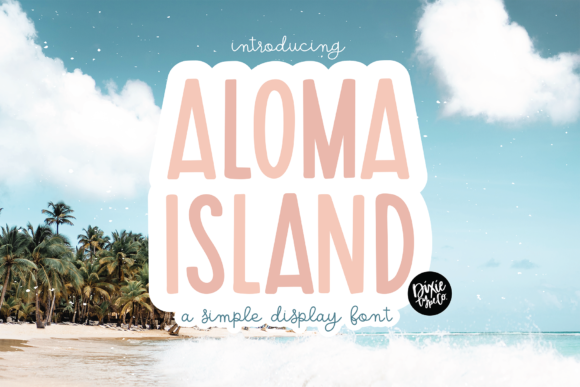
Finding a typeface that feels both contemporary and timeless is a common challenge for creators. You need something that communicates clearly but also carries a distinct personality. Aloma Island is a premium font designed to meet that exact need. It’s a clean, classic and simple sans serif font that brings a polished, professional look to a wide array of applications without overwhelming your design. Its strength lies in its versatility, making it an essential piece in any designer's toolkit of design assets.
At first glance, Aloma Island presents a balanced and approachable character. The letterforms are crafted with precision, featuring consistent stroke widths and open apertures that contribute to excellent legibility, even at smaller sizes. It avoids the geometric coldness of some sans serifs and the overly humanist quirks of others, landing in a sweet spot of modern neutrality with a warm undertone. This makes it a fantastic creative font for projects where clarity and a welcoming tone are paramount. It’s the kind of typeface that works quietly in the background, elevating your content rather than competing with it.
Practical Applications Across Industries
The true test of a sans serif font is how it performs in real-world scenarios. Aloma Island excels here, proving its worth across numerous disciplines. For logo design and brand identity, it provides a solid, trustworthy foundation. A tech startup might use its bold weight for a confident wordmark, while a boutique hotel could pair the regular weight with a delicate script font for an elegant yet readable identity. Its adaptability ensures your brand looks consistent and professional, whether on a business card or a billboard.
In the digital realm, this font is a powerhouse. Its clean lines make it ideal for web design, ensuring body text is comfortable to read on screens of all resolutions. Think of user interfaces, blog posts, and e-commerce product descriptions where clarity directly impacts user experience. For social media graphics, Aloma Island helps create posts that are instantly legible in a fast-scrolling feed, making your message stand out. It’s equally effective in editorial design for magazines and newsletters, where it can be used for headlines, pull quotes, and captions, establishing a clear visual hierarchy.
Print applications are where its classic roots shine. In packaging design, Aloma Island conveys a sense of modern sophistication and honesty—perfect for organic food brands, cosmetics, or artisanal goods. Its legibility extends to detailed product information and ingredient lists. For publishers, it’s a reliable workhorse for book interiors and covers, offering a fresh alternative to traditional serif fonts while maintaining excellent readability for long-form text. Even personal projects, like crafting invitations or creating home organization labels, benefit from its clean aesthetic.
Making Smart Design Choices with Your Font
Choosing the right font is a strategic decision. Before selecting Aloma Island, consider your project’s core message. Is it meant to feel innovative, reliable, playful, or luxurious? This sans serif font leans toward modern professionalism and approachability. Test it in context. Create mockups of your logo, a social media post, or a webpage header to see how it interacts with your color palette, imagery, and other typographic elements.
Effective font pairing is key to unlocking its full potential. Aloma Island’s neutral personality makes it a superb partner. For a striking contrast, pair a bold weight of Aloma Island for headlines with a classic serif font for body text. This combination is timeless and works well for publishing and editorial layouts. For a more harmonious and contemporary feel, combine it with a complementary handwritten font for accent text or quotes, adding a touch of personality to digital content or packaging.
Always review the full character set and included styles. A quality commercial font like Aloma Island will typically include multiple weights (from light to black), italics, and often a range of OpenType features. These might include stylistic alternates, ligatures, and extended language support. Understanding what’s available allows you to create more dynamic and nuanced designs. For instance, using a stylistic alternate for a key letter in your logo can add a unique touch without sacrificing the font’s overall legibility.
Finally, consider the technical and legal aspects. Ensure the font license covers your intended use—whether for a single client project, a product for sale, or a large-scale commercial campaign. Aloma Island, as a premium font, comes with a clear commercial license that protects both you and your clients. By evaluating fit, testing pairings, and understanding the font’s full capabilities, you can confidently integrate Aloma Island into your workflow. It’s more than just letters on a page; it’s a versatile tool designed to make your creative ideas stand out with clarity and style.