Using Hello Bluebird to Create a Modern Brand Identity
In a crowded digital landscape, the first impression is often a silent one. It happens in the split second a potential customer lands on your website or picks up your product packaging. If you are building a brand, you know that every visual detail matters, but nothing anchors your design quite like your typography. Finding a premium font that balances personality with professionalism is a common struggle. You want something that feels human and approachable, but you also need it to be versatile enough for a professional logo design and clear enough for body text. This is exactly where a resource like Hello Bluebird enters the conversation, offering a fresh take on modern design needs.
The Anatomy of a Versatile Duo
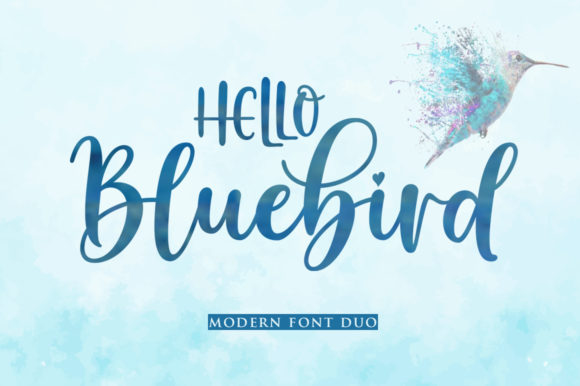
Hello Bluebird is defined by its dual nature. It is not just a single typeface; it is a duo font system consisting of a complementary script font and a sans serif font. In modern typography, a "duo" or "superfamily" approach is incredibly valuable because it removes the guesswork from font pairing. Designers often spend hours trying to find a serif that doesn't clash with a script or a sans serif that balances a handwritten font. Hello Bluebird solves this by providing two distinct styles that are engineered to work in harmony.
The visual personality of Hello Bluebird is best described as smooth, fluid, and unpretentious. The script component features the smooth curves mentioned in its description, mimicking the natural flow of a felt-tip pen or a swift hand. It avoids the jagged edges or overly complex swashes that can sometimes make script fonts difficult to read. Instead, it offers a modern, clean aesthetic. The accompanying sans serif font provides the necessary structure and stability. It acts as the anchor, grounding the expressive nature of the script. Together, they create a visual hierarchy that feels organic rather than forced.
Practical Applications for Creators and Businesses
Understanding the technical makeup of a typeface is one thing, but knowing how to apply it in the real world is what drives results. Hello Bluebird excels across a wide range of projects, specifically because of its balanced tone. It is neither too formal nor too casual, hitting a "sweet spot" that appeals to a broad audience ranging from Gen Z trendsetters to established professionals.
For those in the fashion and lifestyle sectors, this font is a natural fit. Fashion branding relies heavily on conveying a mood—often one of effortless cool or curated elegance. Using Hello Bluebird for a clothing label or an online boutique allows the brand to feel accessible yet stylish. The script can be used for the main logo to convey personality, while the sans serif can handle product descriptions and pricing, ensuring the shopping experience is seamless.
For packaging design, clarity is king. Whether you are designing coffee bags, beauty products, or artisanal goods, the consumer needs to read the label quickly. Hello Bluebird works well here because the smooth curves of the script draw the eye, but the sans serif ensures that ingredients and instructions remain legible. This combination helps small business owners create design assets that look like they were made by a large agency, building immediate trust with the buyer.
Digital and Editorial Contexts
In the realm of web design and social media graphics, attention spans are short. You need typography that pops on a screen without being jarring. Hello Bluebird performs exceptionally well as a display font for headers and pull quotes. Its visual weight draws the user in, encouraging them to read the rest of the content. For bloggers and content creators, using a creative font like this can significantly improve engagement. It signals to the reader that the content is curated and intentional.
Furthermore, for editorial design, such as magazine layouts or digital lookbooks, this typeface helps create a distinct visual hierarchy. You can use the sans serif for subheadings and body copy, reserving the script for impactful titles or call-outs. This guides the reader’s eye through the page logically, improving the overall readability of your publication. It is a practical tool for publishers who want to maintain a consistent aesthetic across both print and digital mediums.
Integrating Hello Bluebird into Your Workflow
Adopting a new creative font requires more than just downloading a file; it requires a strategy for integration. When you introduce Hello Bluebird to your brand identity, consistency is the goal. You want your audience to recognize your visual language across every touchpoint, from your email newsletters to your physical business cards.
Start by defining the roles of the two styles. Decide which elements of your design will use the script and which will use the sans serif. A common approach is to use the script for emotional connection—like the logo, taglines, or thank you notes—and the sans serif for information transfer, such as contact details, menus, or blog post body text. This balance ensures that your designs remain professional while retaining a personal touch.
It is also worth exploring how Hello Bluebird interacts with other fonts you might already use. While it is a duo font, you may have a specific serif font for long-form reading that you prefer to keep. Because the Hello Bluebird sans serif is clean and modern, it typically pairs well with traditional serif fonts, creating a sophisticated, mixed-media look. However, for many projects, the built-in pairing of the script and sans serif is sufficient and saves valuable design time.
Readability and Technical Considerations
One of the most common pitfalls with script fonts is sacrificing readability for style. Hello Bluebird navigates this well with its smooth, connected strokes, but you must still test it in context. For instance, avoid setting entire paragraphs in the script style; it is intended for headlines and short bursts of text. If you use it for a logo, ensure there is enough contrast against the background color so the "ink" doesn't bleed visually.
For commercial font usage, always verify the licensing details. Most premium font foundries offer different licenses for desktop use (print), web use (fonts hosted on your server or via CSS), and app use. Since Hello Bluebird is a professional tool, it is designed to handle the demands of commercial projects, but respecting the license protects your business and supports the designers who create these assets.
Ultimately, Hello Bluebird is more than just a set of letters; it is a tool for communication. It allows entrepreneurs, marketers, and designers to inject personality into their work without compromising on the clarity required for business success. By utilizing its dual nature, you can create designs that feel cohesive, modern, and engaging. Whether you are refreshing a website, launching a new product line, or crafting social media posts, this typeface offers a reliable foundation for visual storytelling.